Natural Language Processing (NLP) lets a customer say "Book me with Dr. Smith next Wednesday afternoon" or "Can you come by Thursday after 3:00 PM?" and get a confirmed slot back. There are no forms, no phone menus, and no callback.
If you run scheduling for a clinic, a car wash, or a service business, a working system should do five things. It should understand plain requests, book them without errors, respond right away, stay available after hours, and learn each customer's preferences. The sections below cover each one and what to check before you trust it with your calendar.
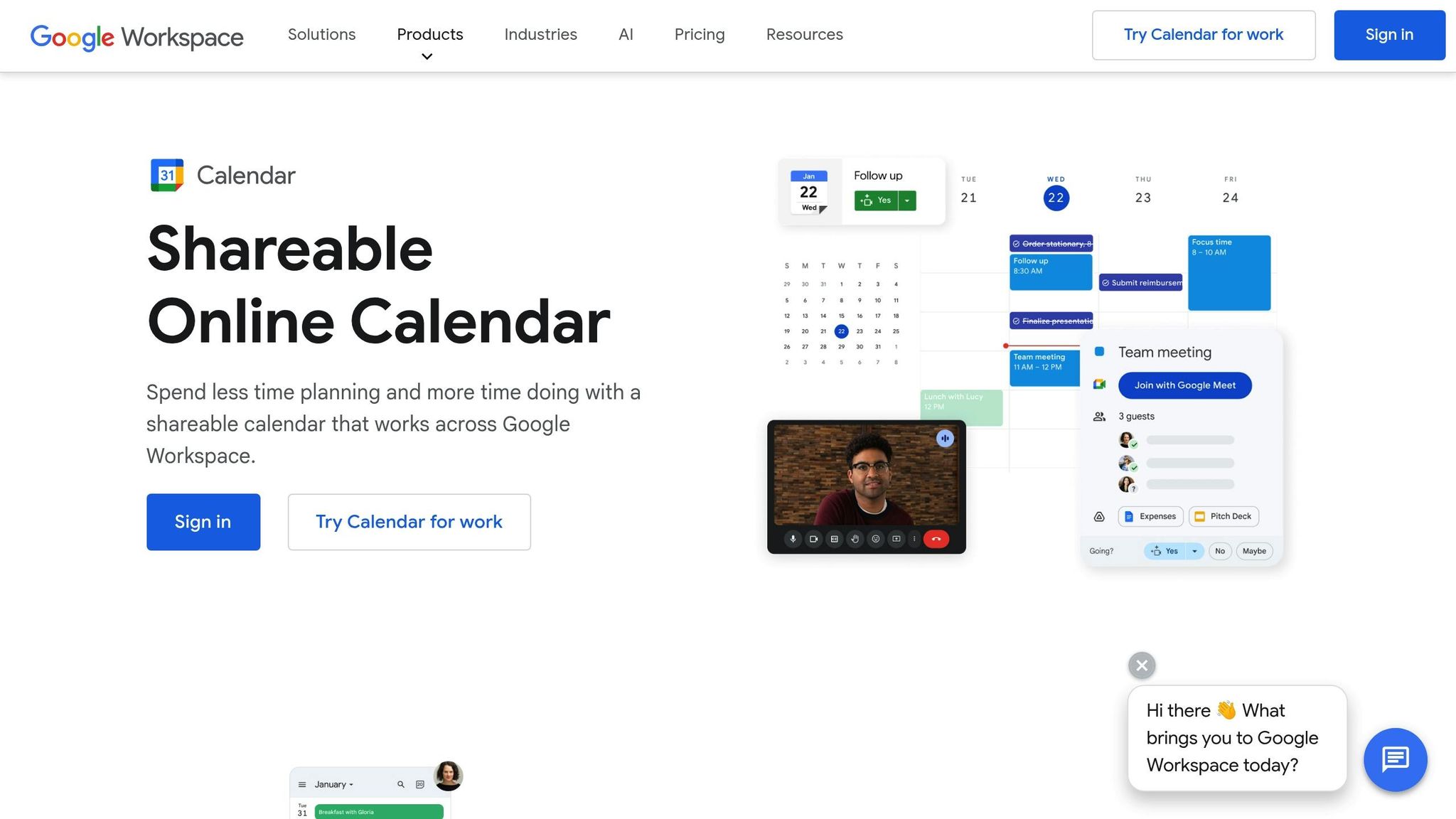
Most of these systems book into a calendar you already use, such as Google Calendar. The NLP layer turns the caller's words into a date, a time, and a provider, then writes the booking.
1. Better User Experience with Natural Conversations
Customers can book in their own words, so they don't have to learn your system. A dropdown form makes them translate "sometime Wednesday afternoon" into fields. An NLP system takes the sentence as spoken and pulls out the parts it needs.
Context awareness does much of the work. "Next Wednesday" resolves to a real date based on today. "I usually see Dr. Johnson" pulls up that provider's open times. The customer says it once and the system fills in the rest.
Voice interfaces also help people who struggle with forms, including callers with visual impairments or limited literacy. Many systems support several languages and dialects, so non-English speakers can book in the language they're comfortable with.
On the phone, Answering Agent runs these conversations from scripts you customize, at any hour, so staff don't have to pick up every routine call.
"I love Answer Agent, it allows my employees to focus on customers at the car wash while giving callers an opportunity to get simple answers while my staff is busy." - Waves Car Wash
2. Higher Accuracy and Fewer Scheduling Errors
NLP cuts booking errors by extracting details precisely and checking them before it confirms. From "I need to see Dr. Smith next Wednesday afternoon," it pulls the provider, the day, and the time window. It then checks those against live availability.
When a request fails, the system should catch the problem during the call:
- Slot taken or provider unavailable: flag it immediately and offer alternatives. Don't book it and fix it later.
- Vague request ("Book me for Friday"): ask "Which Friday?" or "What time?" before committing.
- Relative dates ("next Wednesday"): resolve against the current date and the customer's known preferences.
Accuracy also depends on what the system can see. Answering Agent connects to business systems, so on a call it can check membership status and service history before acting. The booking then reflects the customer's actual account, not a guess.
In healthcare, accuracy affects care as well as efficiency. A wrong slot or a missed follow-up delays treatment, so clarifying questions and real-time validation matter even more there.
3. Faster Communication and Quick Response Times
An NLP system answers immediately and handles the whole request in one exchange. Customers skip the hold queue, the phone tag, and the email back-and-forth. "Can we move my Tuesday appointment to next week?" gets real-time options on the spot. Nobody has to check calendars or transfer the call.
Speed decides whether you get the booking. A caller who waits or reaches voicemail often books somewhere else. The system can also take many calls at once, so busy hours don't pile up the way they do when one person answers the phone.
The staff side benefits too. Lonestar Car Wash had phones ringing nonstop and a team that couldn't focus on the site:
"The phone was ringing nonstop for us, we could never get caught up. Answering Agent has streamlined our customer service, putting everything in one location."
sbb-itb-abfc69c
4. 24/7 Availability and Easy Scaling
An NLP scheduler takes bookings whenever customers want to make them, including after close. That covers the person who remembers the dental cleaning at 11 PM and the parent booking on a lunch break. "I need a dentist next Tuesday after 5:00 PM" returns open slots at any hour.
Scaling works differently than with staff. Extended hours usually mean more people, overtime, and training. A software system handles more volume without new hires, which matters most during demand spikes, like summer rushes for an HVAC company or a flu surge at a clinic.
Test it before you rely on it. Put the system through a busy-hour load and after-hours edge cases, then read the transcripts. The call at 5 PM should get the same accuracy as the call at 2 AM.
5. Custom Scheduling and Smart Recommendations
NLP systems can learn each customer's booking habits and suggest times that fit. A customer who books Wednesday afternoons with one provider gets offered that slot first. A passing remark like "I prefer afternoons because I work mornings" can be saved and applied to the next booking.
Connected to customer records or electronic health records, recommendations can follow history. A patient who recently saw an endocrinologist can be offered a follow-up at the right interval. A therapy client who always books Tuesdays at 2:00 PM gets the next open Tuesday at that time.
Reminders can be personalized the same way. Some customers answer texts, others respond to calls. Sending reminders by the channel and at the time each customer uses reduces no-shows and the lost revenue that comes with them.
The system gets better when someone reviews what's working. Which suggestions get confirmed? Which time slots keep getting cancelled? Feed those answers back into the setup so the next suggestions improve.
Conclusion
NLP scheduling helps when it understands plain requests, books them correctly, answers right away, stays available after hours, and remembers preferences. Judge a system on those five points, using your own call transcripts, before it touches your calendar.
The payoff goes beyond the booking itself. Staff stop chasing phones, and after-hours calls stop going to voicemail. Some systems can also promote offers during the same call:
"Beyond just replacing a call center, Answering Agent has helped us cut costs while actively generating new revenue. It promotes our special offers and even signs customers up for our text club, following up instantly with links - something a traditional service can't match." - Jacksons Car Wash
FAQs
How does natural language processing (NLP) make appointment scheduling more accurate than traditional methods?
NLP pulls the provider, date, and time from a plain request and checks them against live availability before it confirms. It asks clarifying questions when a request is vague, and it handles different accents, dialects, and phrasings. That leaves fewer wrong or double bookings.
How does 24/7 availability in NLP-powered scheduling benefit businesses and their customers?
Customers can book whenever they think of it, including after hours, and the business captures those bookings without extra staff. Calls that used to go to voicemail become appointments.
How does NLP improve appointment scheduling and help reduce no-show rates?
NLP confirms details during the conversation, which prevents misunderstandings. It also sends reminders by the channel each customer prefers and makes rescheduling easy. Customers who can move an appointment quickly are less likely to skip it.
Related Blog Posts
Book a walkthrough
See it handle your calls.
Book 20 minutes, or hear a sample call first.